













Battle Harbour, Labrador
Open June 14 to Sept 15, 2008 Season Contacts: P.O Box 140, Mary's Hr, NL AOK 3PO 709-921-6216
Year Round Contacts: 709-921-6325 and Email: information@battleharbour.com
History of Battle Harbour
Image
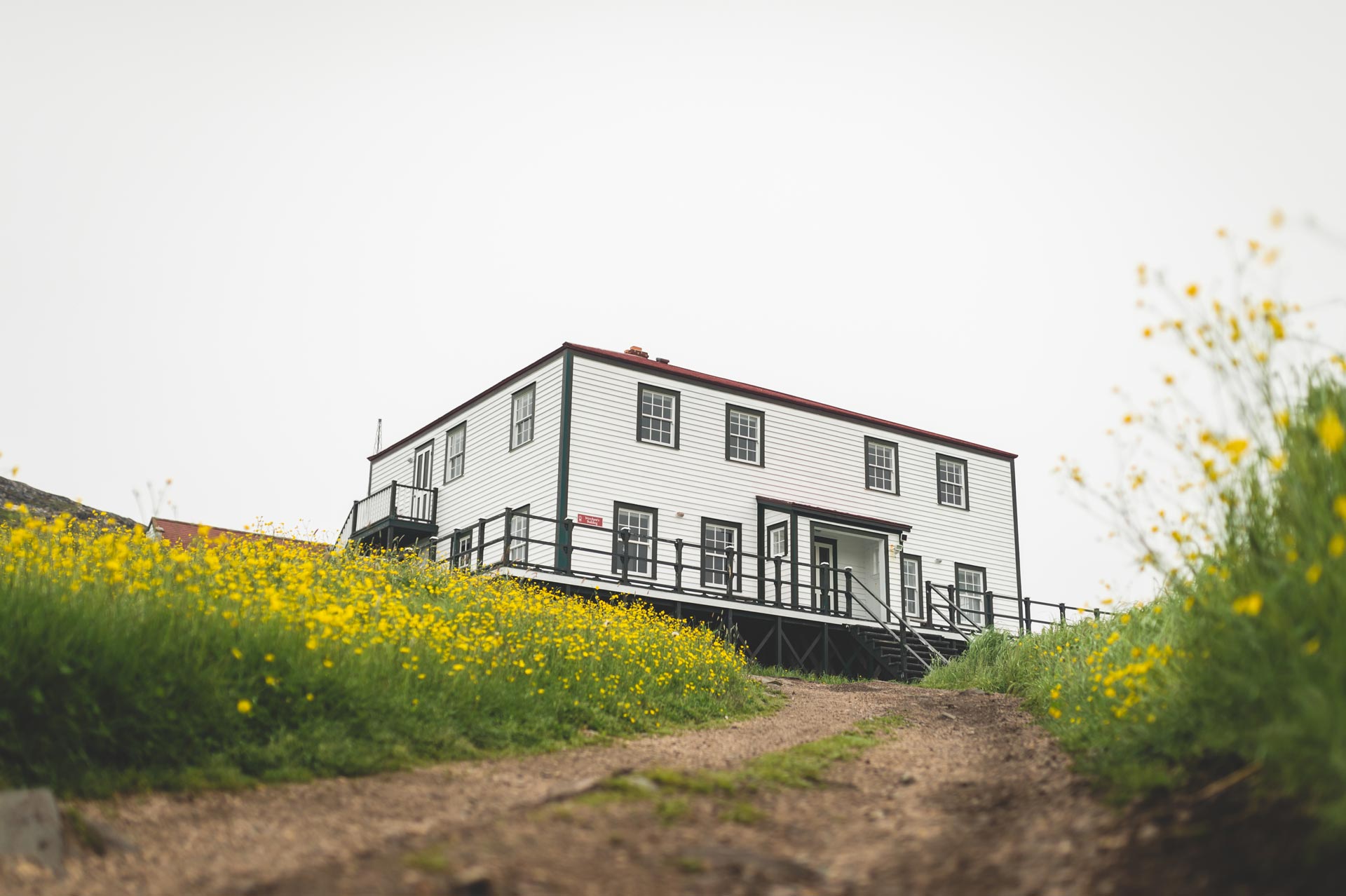
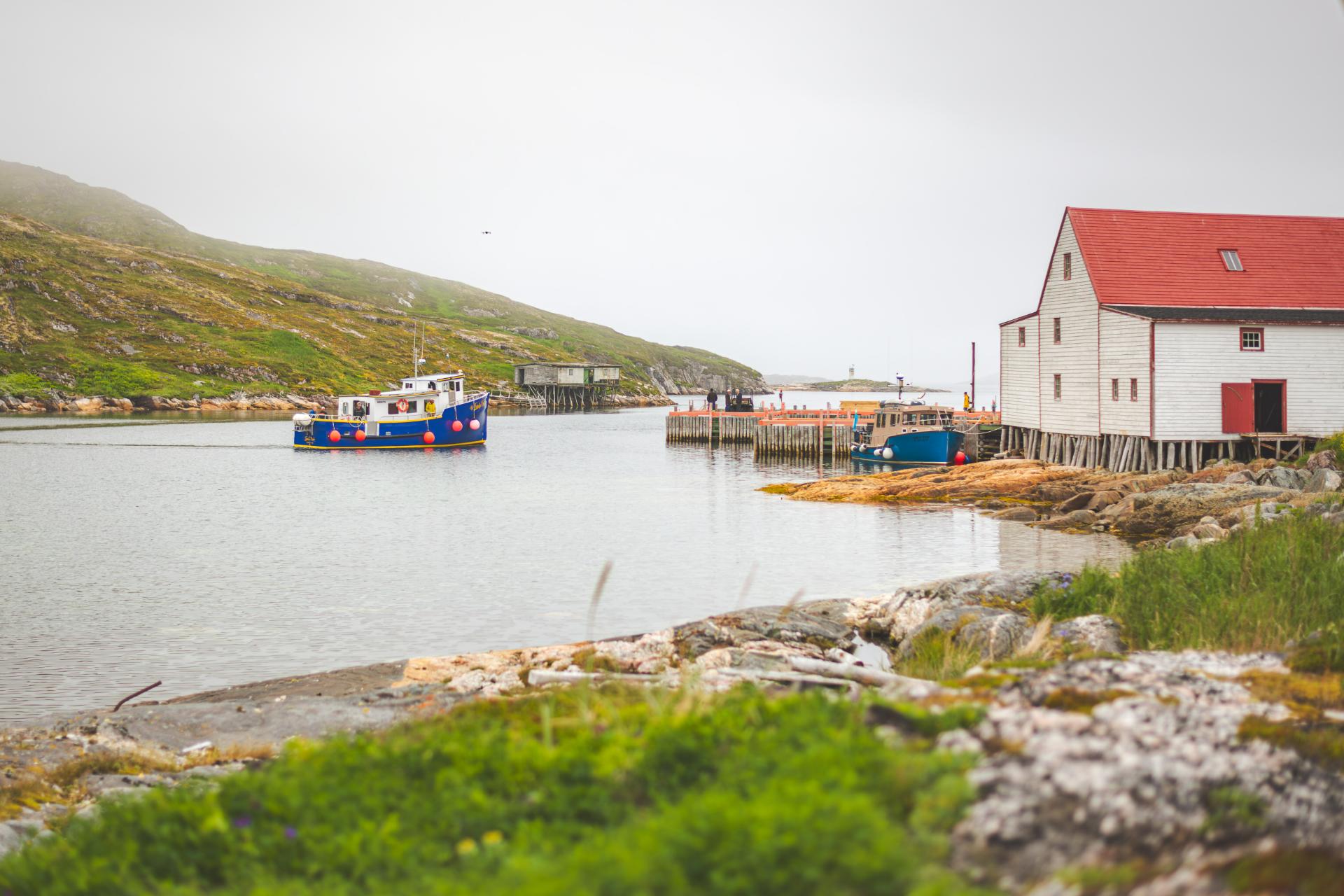
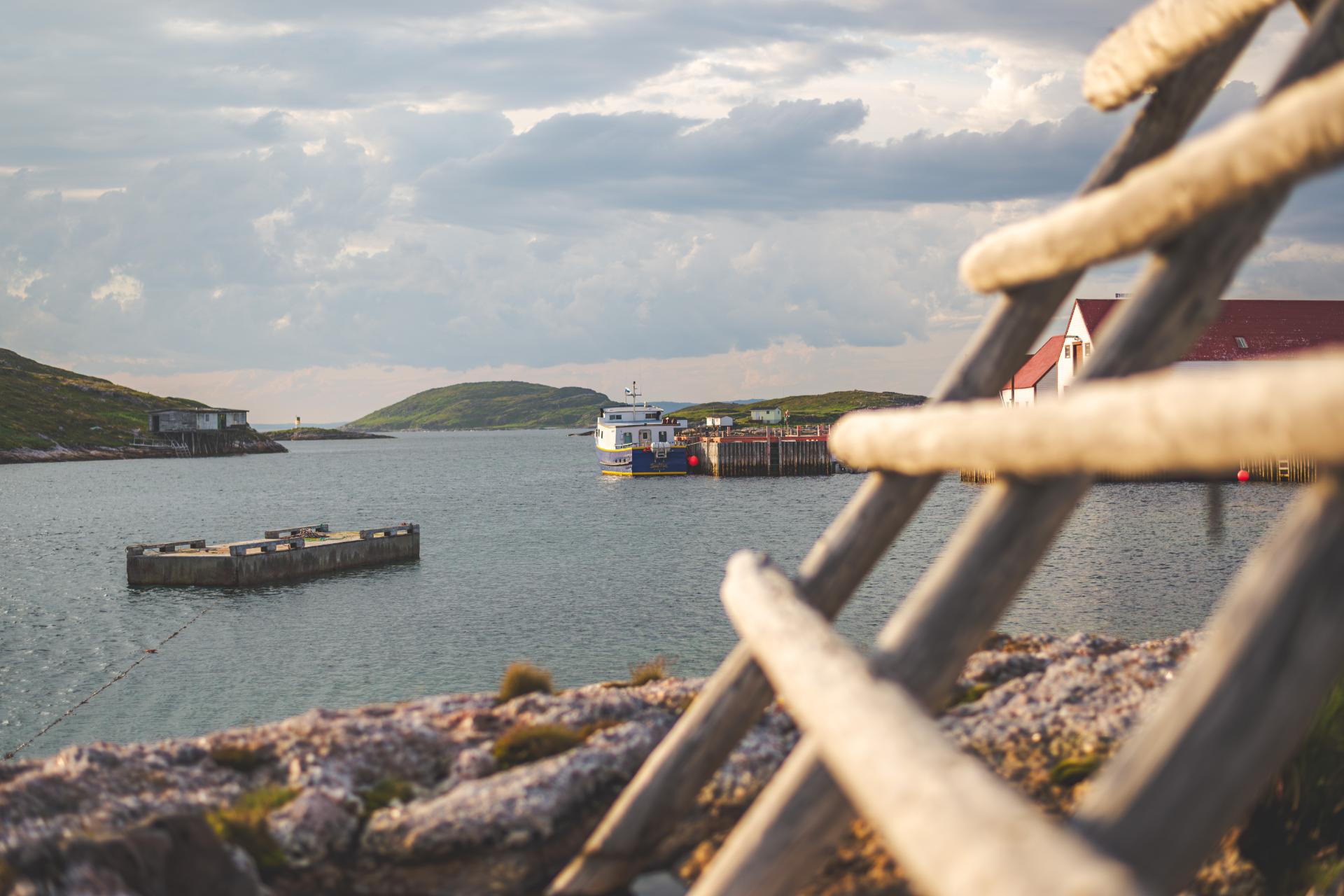
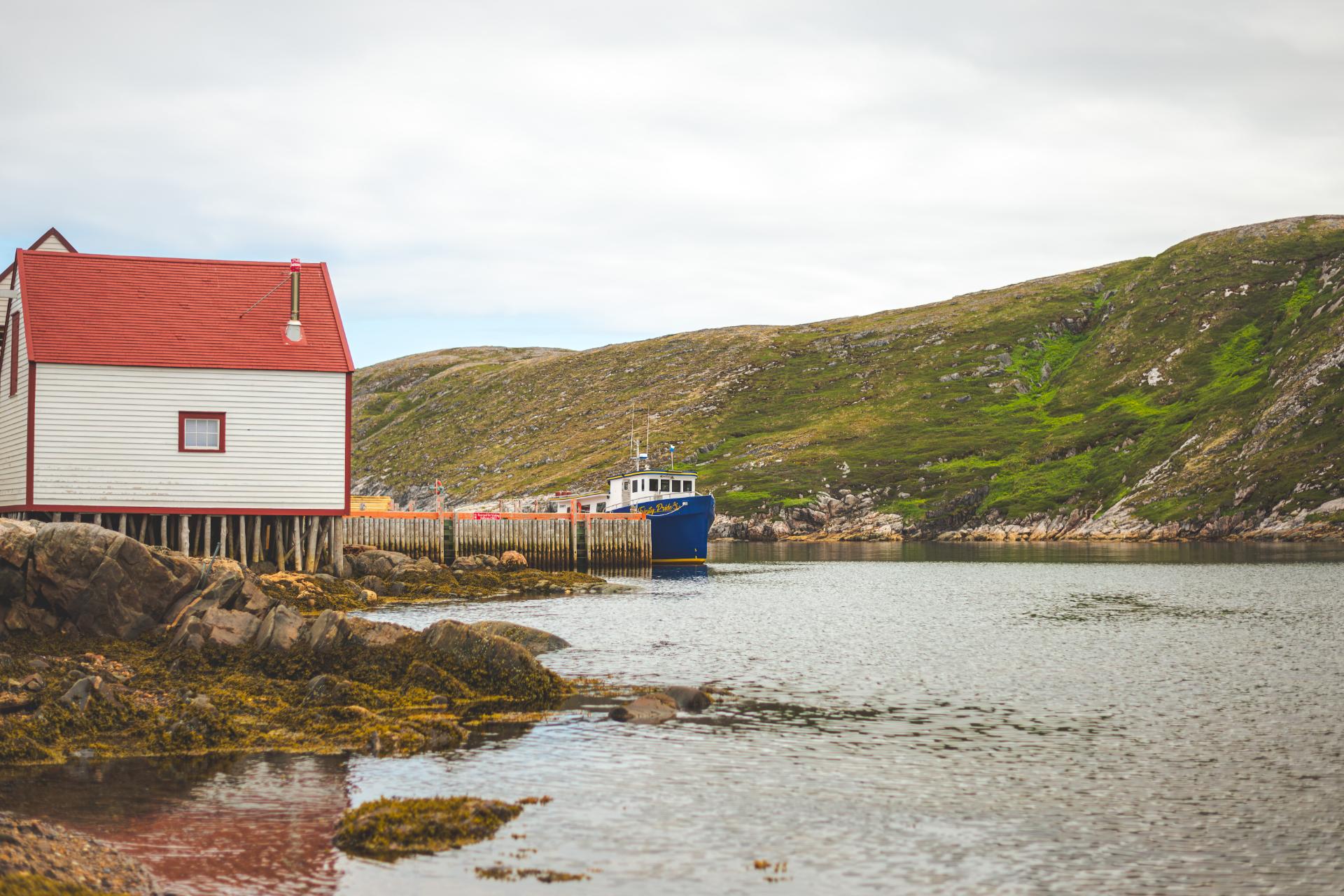
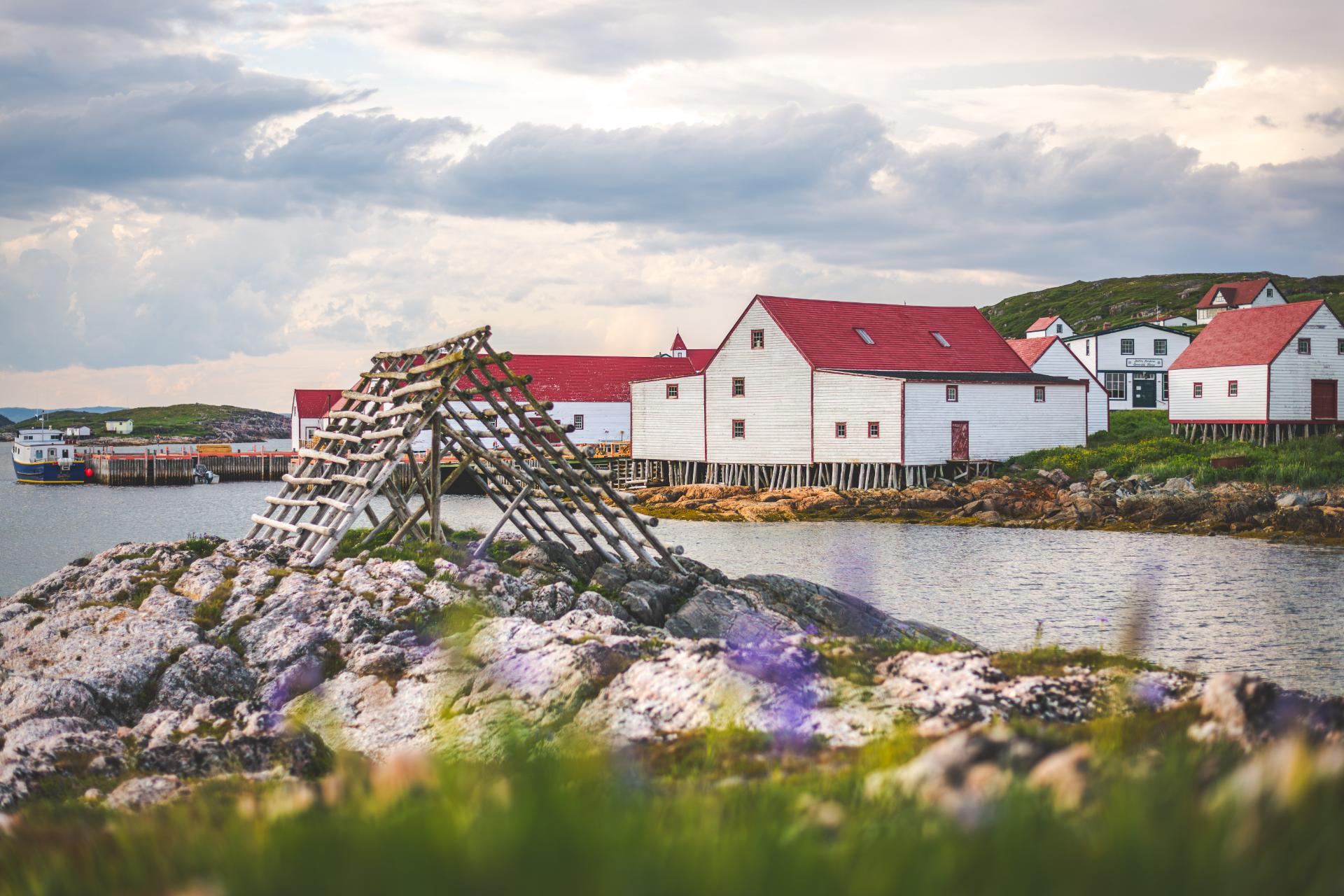
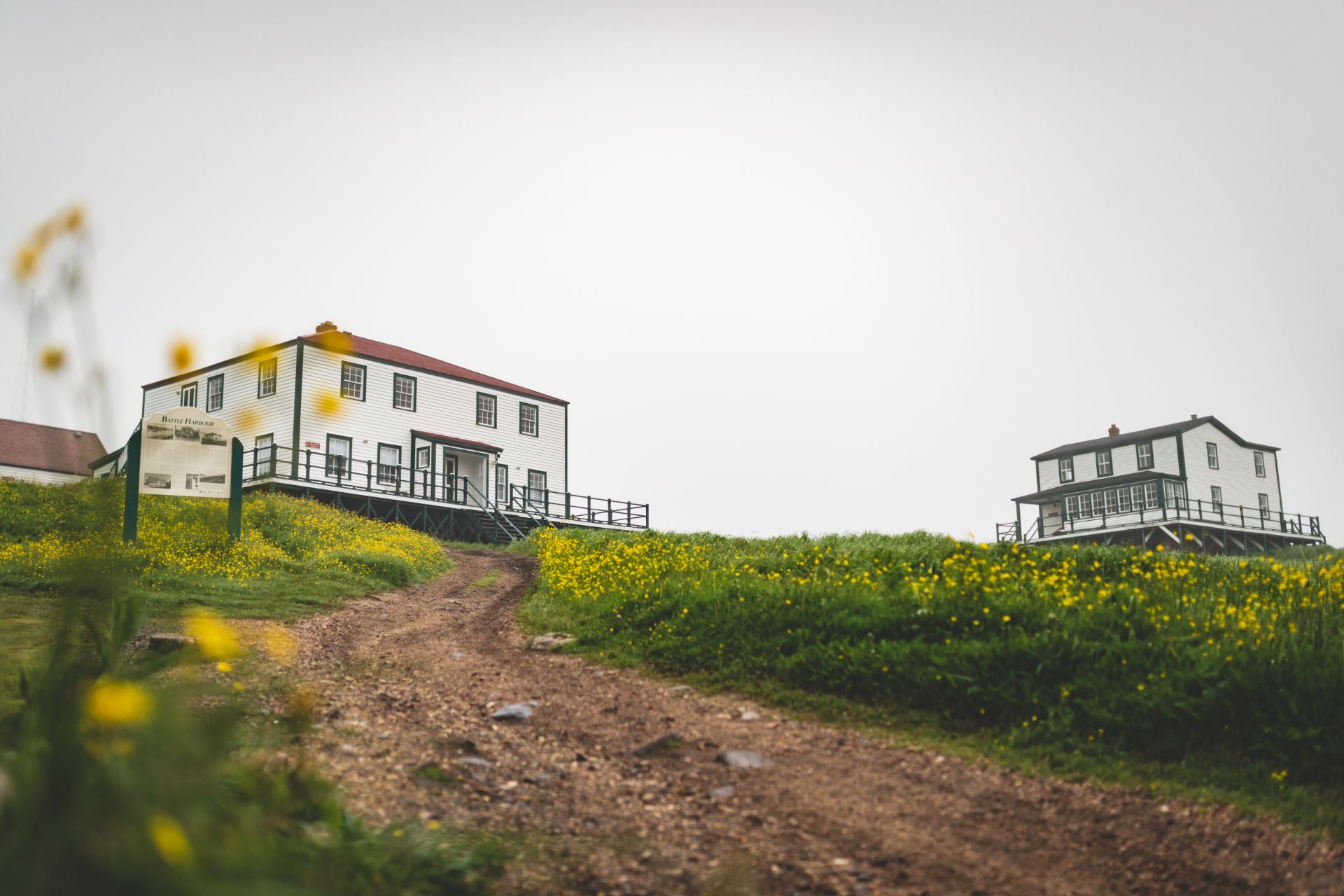
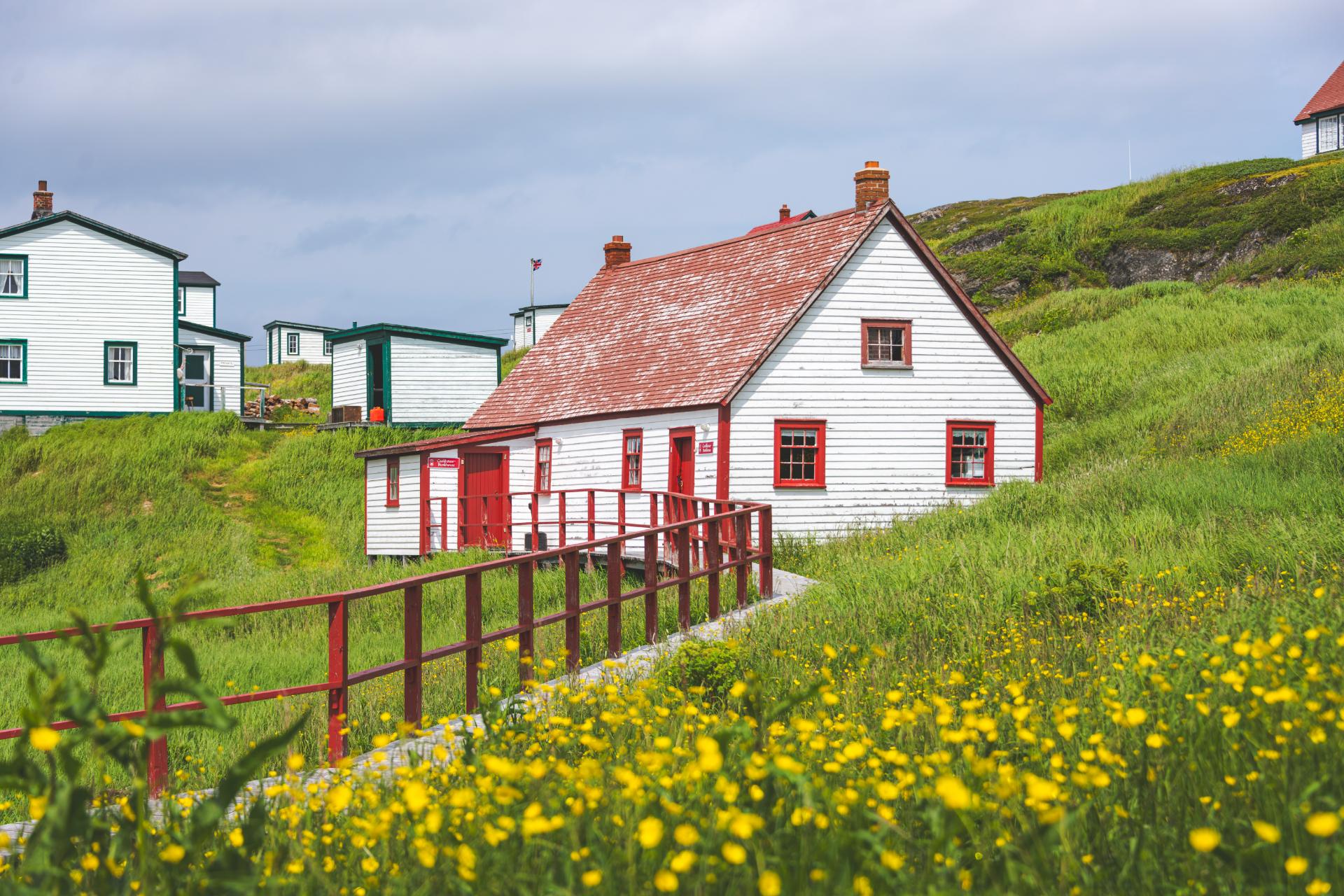
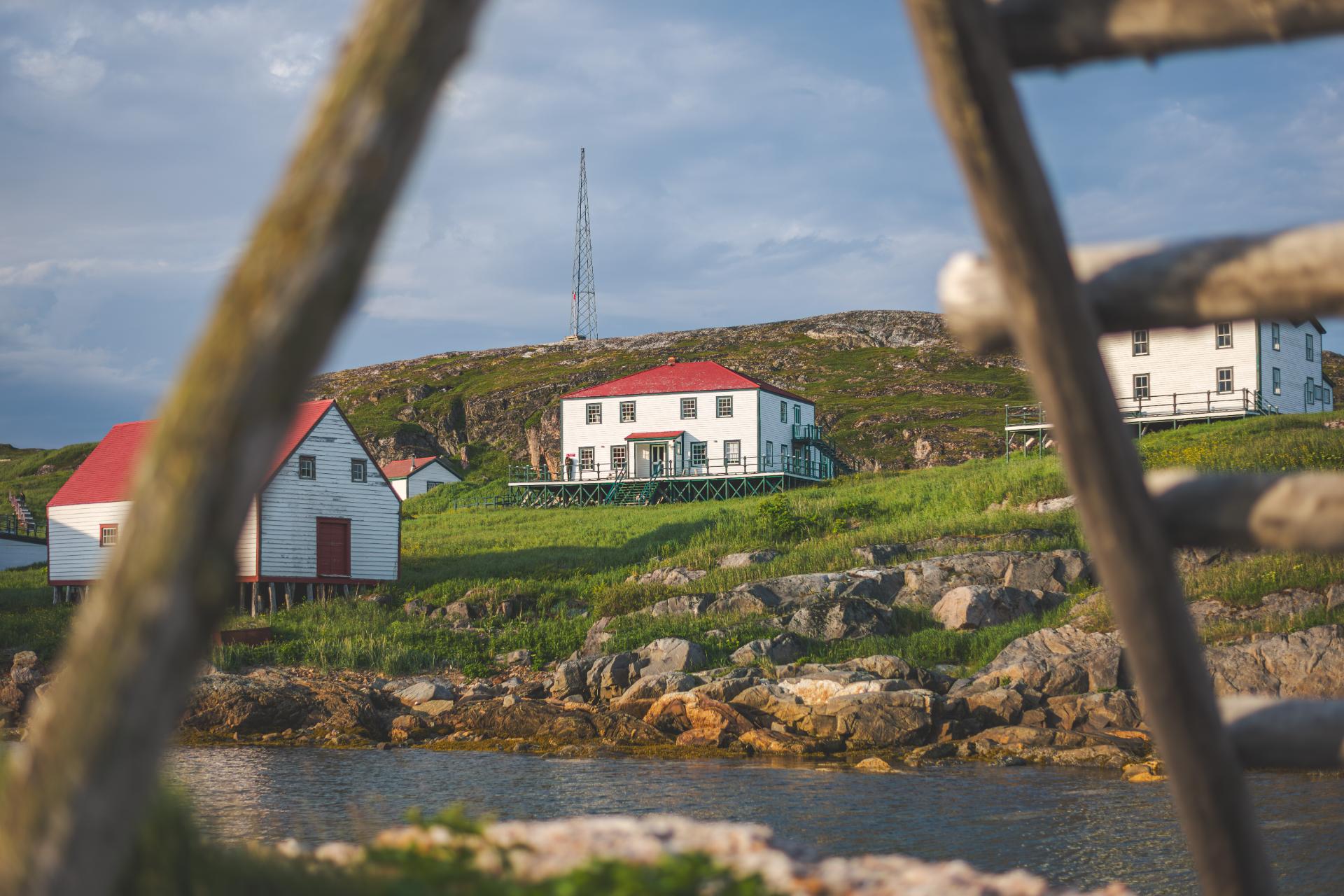
The mercantile saltfish premises at Battle Harbour were established by the firm of John Slade & Company of Poole, England in the early 1770s.

Lying just north of the old French Shore, Battle Harbour served as the gateway for Newfoundlanders seeking to fish unmolested in the resource rich waters of Labrador.
 
Merchant Firms
Battle Harbour's location led to the Slade premises becoming the major base for the region's cod and seal fisheries and for the commercial trade that led to the formation of a permanent community.

The local population increased rapidly after 1820 when Newfoundland fishing schooners adopted Battle Harbour as their primary port of call and made it the recognized capital of the Labrador floater fishery.

Battle Harbour remained in the hands of Slade & Co. until 1871, and during this time became a settled community, dominated by the fish merchants, but with its own evolving institutions, especially schools and churches. In 1871 the Slades sold Battle Harbour to Baine, Johnston & Co., Ltd. who operated the site in much the same manner until 1955. The activity of these two firms at Battle Harbour serve as an accurate microcosm of the history of Newfoundland and Labrador's fishery over almost two centuries.
 
In 1955 Baine, Johnston & Co., Ltd. sold the premises to the Earle Brothers Freighting Services who continued the site's operation until the decline in the inshore fishery at the start of the 1990s. At that time the site was turned over to the Battle Harbour Historic Trust. The community's permanent residents had been relocated under a government-sponsored resettlement program from 1965 to 1970, although a number of families still use the site as a seasonal home.
 
Community Growth
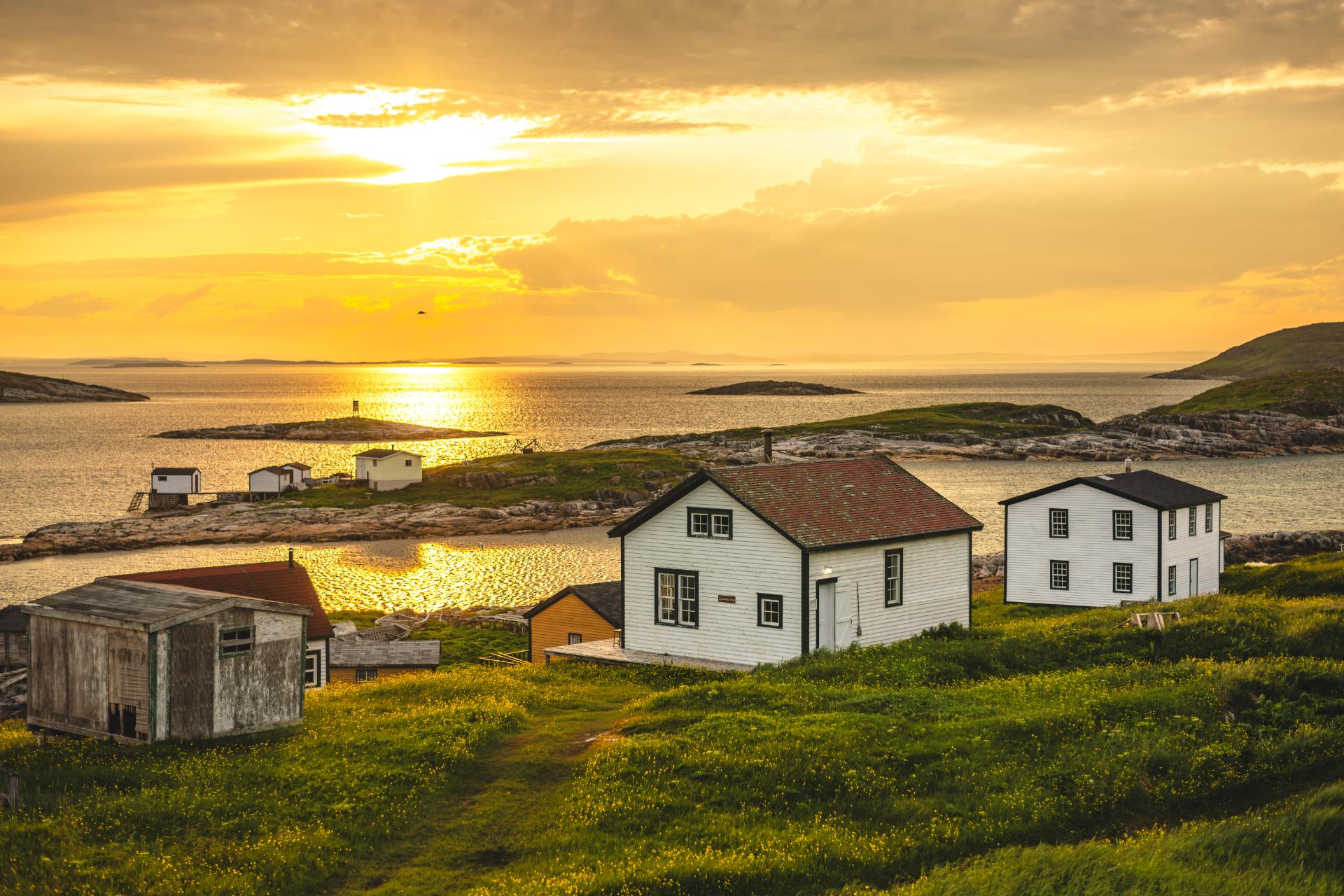
The level of activity at Battle Harbour resulted in community development that was unparalleled along the rest of the Labrador coast.

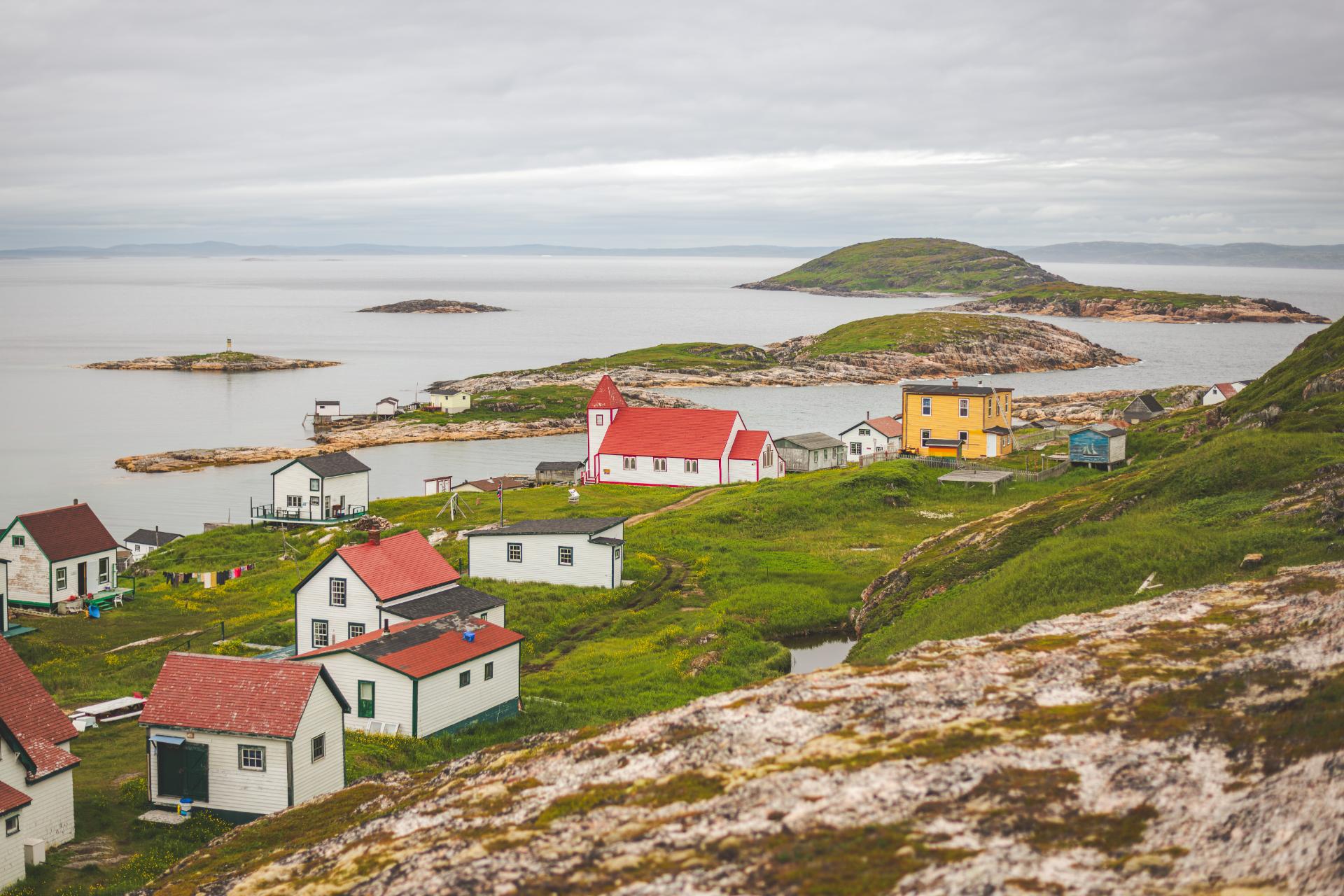
The community became the de facto regional capital with the requisite legal, religious, educational and health facilities.

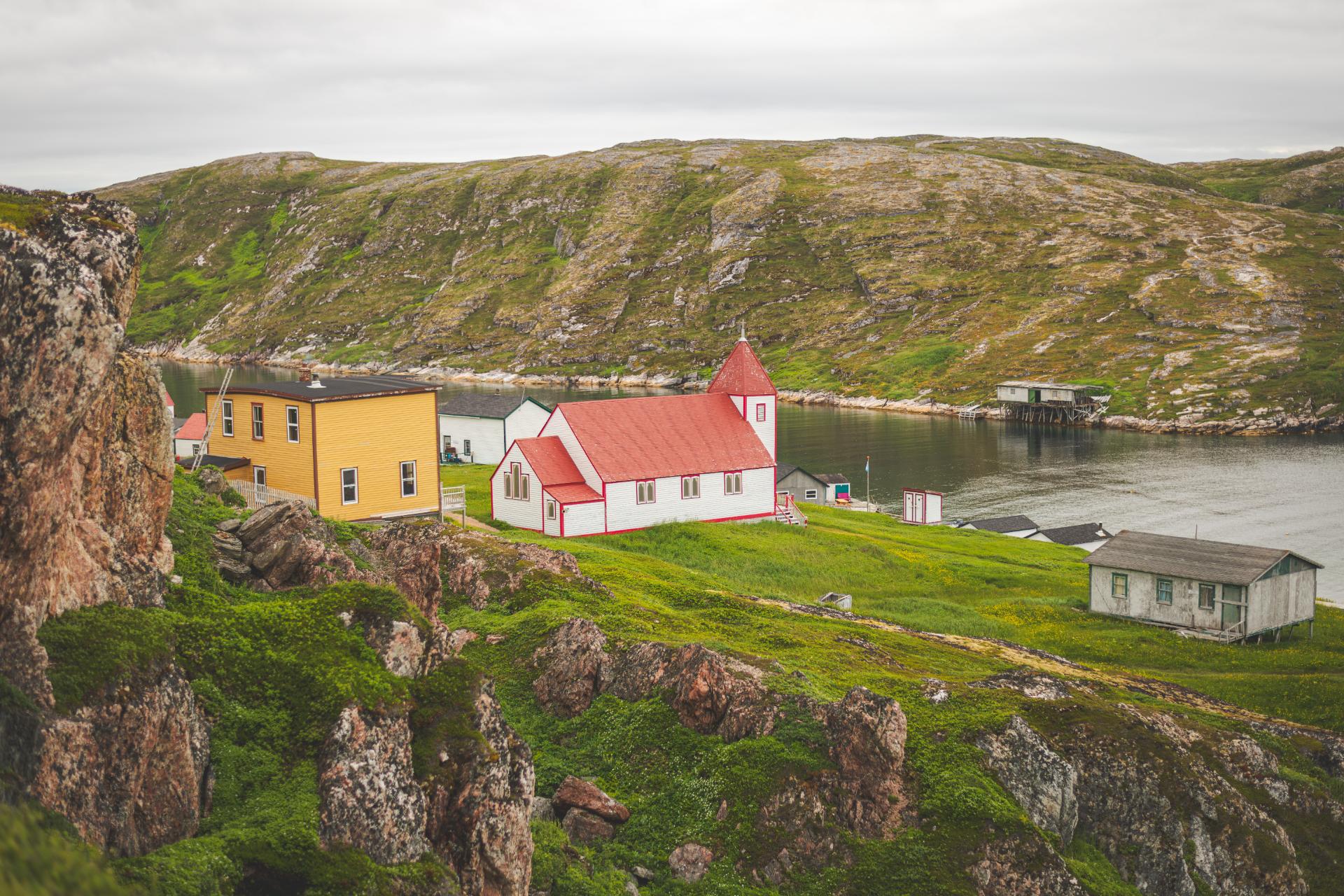
Noted ecclesiastical architect William Grey, under the direction of Bishop Edward Feild, designed the Church of St. James the Apostle for Battle Harbour in the late 1840s. Built in 1852 and restored in 1991, St. James is the sole surviving example of Grey's work. It is also the oldest surviving Anglican church in Labrador.
 
Image
In the years of Baine, Johnston & Co., Ltd., activity at Battle Harbour attracted the interest of the Royal National Mission to Deep Sea Fishermen (later to become the International Grenfell Association). Dr. Wilfred Grenfell arrived in Battle Harbour in 1892 and a year later built a hospital in the community, the first hospital in Labrador.

Further institutions attracted to Battle Harbour as the region's natural centre of operations included the Canadian Marconi, the Newfoundland Ranger Force -- who chose it as the location of one of their Labrador detachments -- and later, after confederation, the Royal Canadian Mounted Police.
 
Polar Explorers
The community's amenities and communications services also made Battle Harbour a port of call for polar explorers.

Commander Robert E. Peary was a familiar figure in Battle Harbour and it was from there that in 1909 he wired his account of reaching the Pole to the outside world. It was also the site of two press conferences, attended by news correspondence from as far away as New York, that were instrumental in touching off the great controversy between Peary and Cook as to who exactly had reached the Pole first, if at all. The controversy occupied the front page of the New York Times for ten days and is still under debate today.
 
Terms
Terms used on this page:
 
Saltfish is codfish that has been cleaned, split, salted and dried. "Splitting" refers to removal of the backbone. The cleaned and salted fish was spread on "flakes" -- wooden platforms -- to dry in the sun.
 
The French Shore was a coastal section of Newfoundland where the French held fishing rights. Originally defined in 1713 under the terms of the Treaty of Utrecht, the French Shore remained in effect until 1904.
 
The Floater Fishery refers to migratory Newfoundland schooner fishermen who pursued a seasonal fishery in Labrador waters. After the fishing season concluded these fishermen returned to their permanent homes in Newfoundland.

Donate Now Through CanadaHelps.org!

Operated by Battle Harbour Historic Trust Inc, a not-for-profit,registered Canadian Charity
c/o J. Feltham, FCGA, 25 Oliver's Pond Rd, Portugal Cove - St. Philips, NL A1M 3M4
Phone: 709-895-7770 Fax: 709-895-7775 Email: information@battleharbour.com

This page: 4,298 visits since January 04, 2007

Webmaster Login